
Even with a construction material as common as drywall, new trends and techniques continue to shape the industry. From modern finishing styles to evolving texture preferences, drywall finishing has become an important part of creating clean, stylish, and durable interior spaces for both residential and commercial properties.
As a trusted residential drywall contractor in Surrey, True Level Drywall stays updated with the latest drywall finishing methods and design trends. Our experienced drywall finishers understand not only how to deliver flawless results, but also how to match the style and expectations of today’s homeowners and businesses. By keeping up with industry advancements, we continue to provide adaptable, high-quality drywall finishing services that ensure complete customer satisfaction.
Contact True Level Drywall today to learn more about our professional drywall finishing solutions and how we can help bring your project to life.
Choosing the Right Level of Drywall Finish
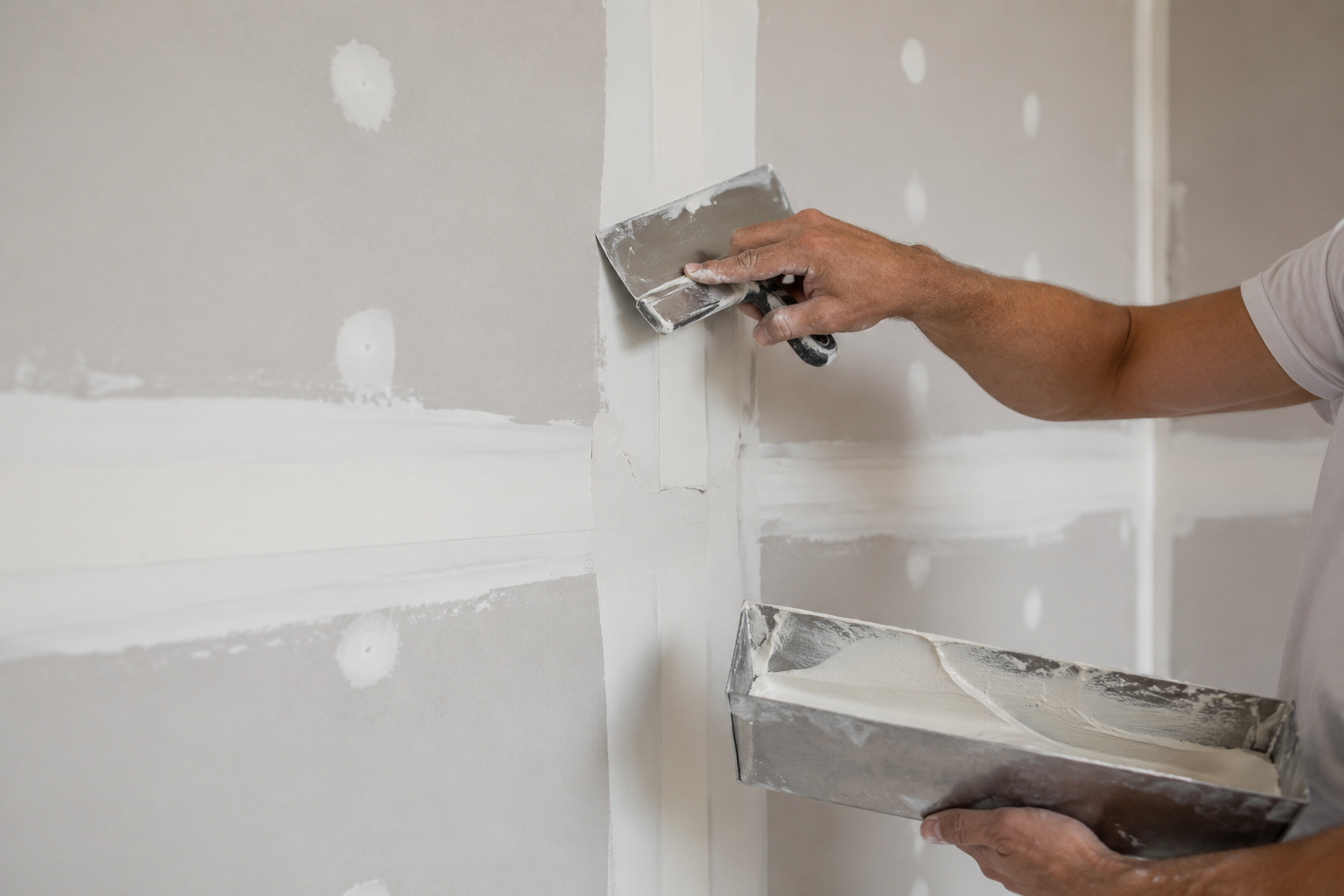
The purpose of drywall installation and finishing is to create a smooth, durable, and visually appealing surface. However, different projects require different levels of drywall finishing depending on the desired appearance and functionality. Some finishes are designed for basic utility spaces, while others are intended for premium residential and commercial interiors.. Level 0 At this stage, no taping, finishing, or corner bead installation is performed. The drywall panels are simply attached in place, making this level suitable for temporary construction or areas awaiting further work. Level 1 For a Level 1 finish, drywall tape is embedded into the joint compound at all joints and corners. Excess compound is removed, but tool marks and ridges may still be visible. This finish is commonly used in non-public or unfinished areas such as garages, storage spaces, and attics. Level 2 A Level 2 finish includes taped joints with a thin coat of joint compound applied over interior angles, fasteners, and corner beads. Minor tool marks may still be visible, but excess compound is cleaned away. This finish is often used in areas where tile will be installed or where appearance is not the primary concern. Level 3 At this level, an additional coat of joint compound is applied over taped joints and interior corners. Multiple coats help create a smoother surface with reduced visible imperfections. Level 3 finishes are commonly used for walls that will receive medium to heavy texture finishes. Level 4 A Level 4 finish provides a smooth and refined appearance suitable for most painted walls and ceilings. Multiple coats of joint compound are applied over joints, fasteners, and accessories, then carefully sanded to remove ridges and tool marks. This is one of the most common finishes used in residential and commercial interiors. Level 5 Level 5 is the highest quality drywall finish available. It includes all the steps of a Level 4 finish, along with a thin skim coat applied across the entire surface. This creates an exceptionally smooth and uniform appearance, ideal for glossy paints, flat finishes without texture, and areas exposed to strong lighting conditions. It also minimizes the visibility of joints and fasteners for a flawless final look.